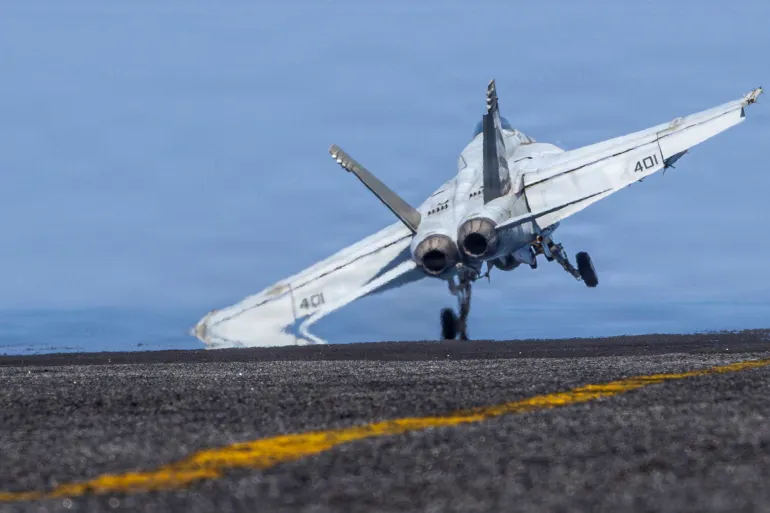
Key Airports Involved in the 2026 U.S.–Iran Military Escalation
In late February 2026, a major military escalation unfolded in the Middle East following a joint United States–Israel air campaign against Iranian military facilities. In response, Iran launched ballistic missiles and drone strikes across the region, targeting U.S. military installations and allied bases.
Because many of these installations are located at or near airports, the conflict has had significant consequences for aviation infrastructure, including military bases, commercial airports, and regional airspace.
This article highlights the key airports and air bases involved in the conflict, along with their airport codes and operational impacts.
Strategic Overview
The U.S. military relies heavily on a network of strategically positioned air bases across the Persian Gulf region. These bases enable rapid deployment of aircraft, logistics support, aerial refueling, and command-and-control operations.
During the conflict escalation, Iran targeted several of these bases with missile strikes. At the same time, nearby civilian airports experienced flight disruptions and temporary airspace closures, affecting global aviation routes.
1. Al Udeid Air Base
Location: Qatar
ICAO: OTBH
IATA: XJD
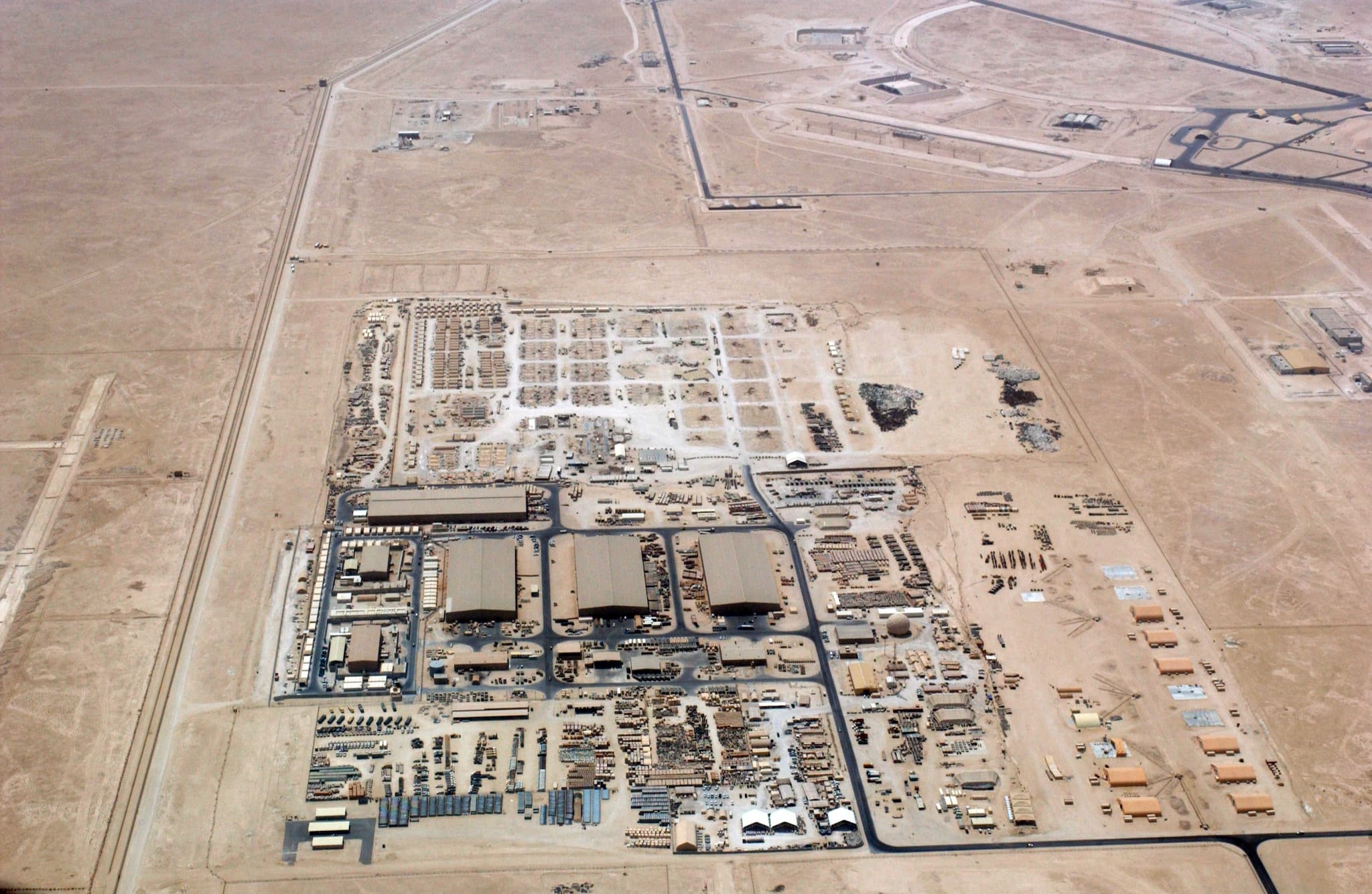
Al Udeid Air Base is the largest U.S. military base in the Middle East and serves as a key operational hub for U.S. Central Command (CENTCOM).
Role in the Operation
The base supported:
- Strategic bomber deployments
- Aerial refueling operations
- Intelligence and surveillance missions
- Regional command and control
Impact During the Conflict
Iran reportedly targeted the base during retaliatory strikes. Missile interception systems were activated, and nearby Qatar airspace experienced temporary closures, which also affected operations at Hamad International Airport (OTHH).
Despite the threat, the base remained operational and continued to serve as a central coordination point for coalition air operations.
2. Ali Al Salem Air Base
Location: Kuwait
ICAO: OKAS
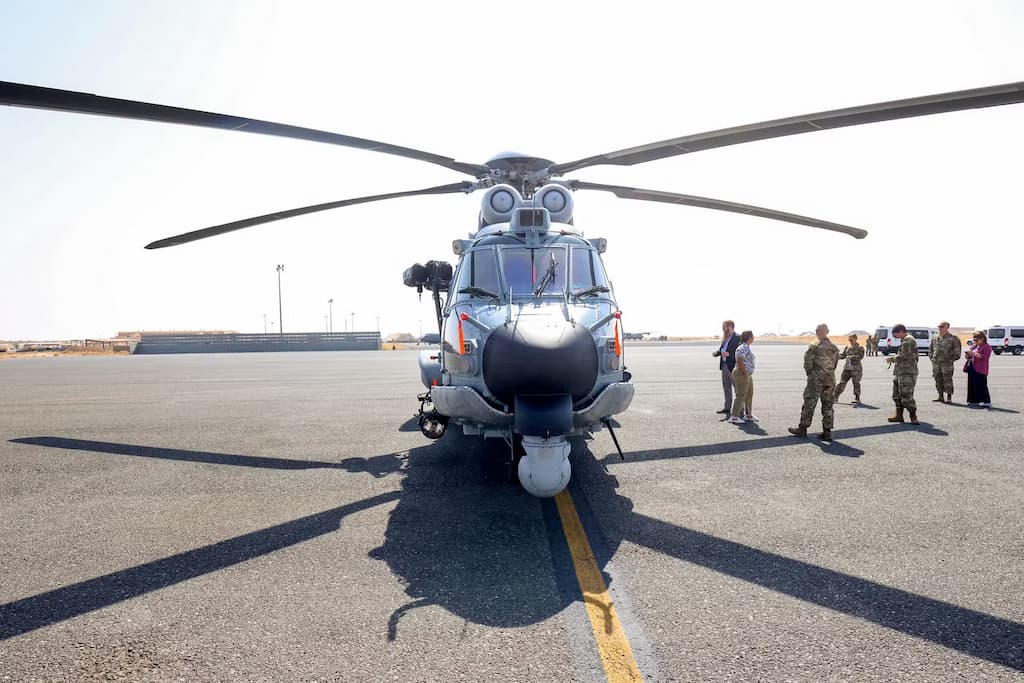
Ali Al Salem Air Base hosts the U.S. Air Force 386th Air Expeditionary Wing, which is responsible for logistics, transport operations, and drone missions across the region.
Role in the Operation
The base functions primarily as:
- A logistics hub for military transport aircraft
- A staging area for UAV operations
- A supply corridor for coalition forces
Impact During the Conflict
During Iran’s retaliatory missile campaign:
- Several missiles were launched toward the base.
- Air defense systems intercepted incoming threats.
- Temporary runway damage and operational disruptions were reported.
Although damage was limited, the event highlighted the vulnerability of forward-deployed air logistics hubs.
3. Al Dhafra Air Base
Location: United Arab Emirates
ICAO: OMAM
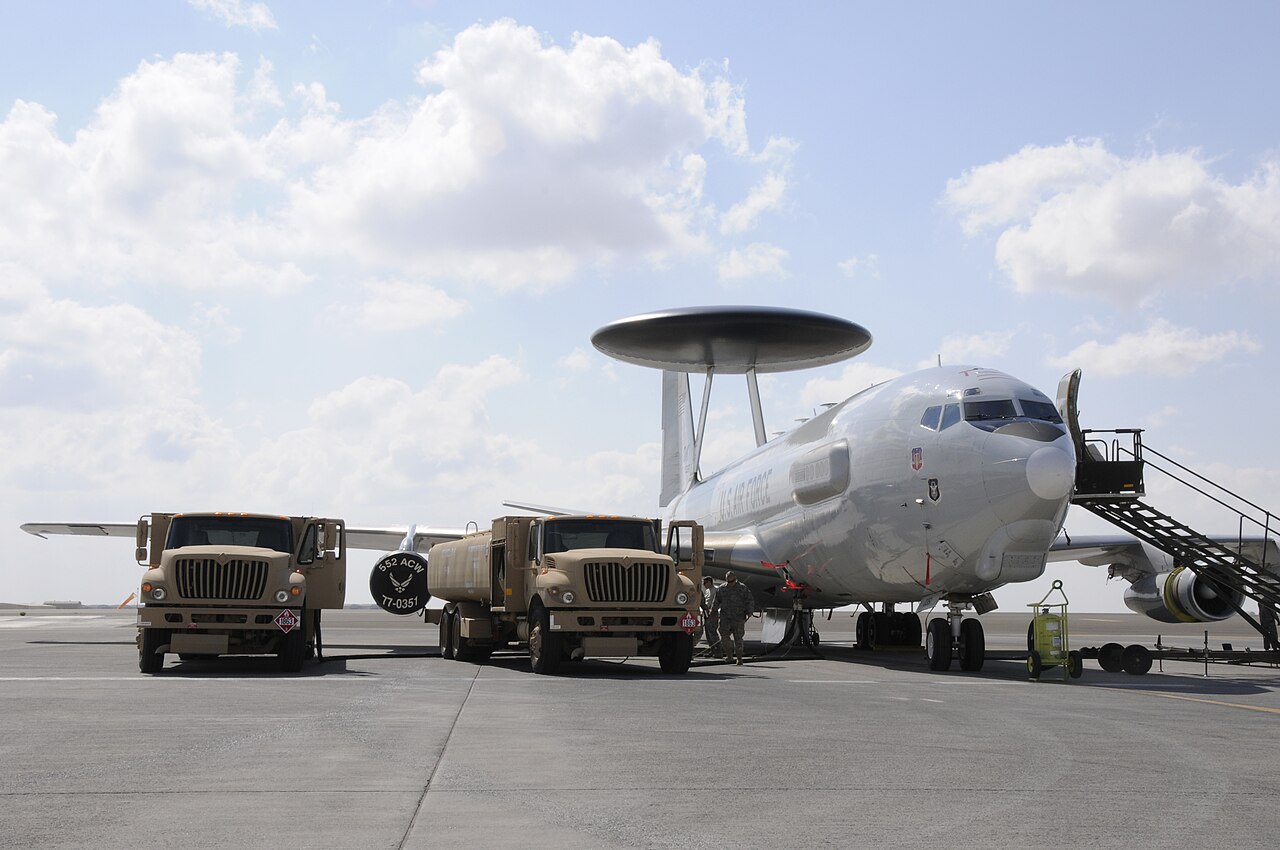
Al Dhafra Air Base is located south of Abu Dhabi and hosts advanced aircraft such as F-35 fighters, F-22 Raptors, and MQ-9 Reaper drones.
Role in the Operation
The base plays an important role in:
- Intelligence gathering
- Stealth fighter deployment
- Long-range drone missions
Impact During the Conflict
Iranian missiles targeted the installation during retaliatory strikes.
Reported consequences included:
- Damage to certain infrastructure areas
- Increased regional air defense readiness
- Disruptions to nearby Zayed International Airport (OMAA) flight operations
The attack reinforced the strategic importance of this base in advanced air operations in the Gulf region.
4. Prince Sultan Air Base
Location: Saudi Arabia
ICAO: OEPS
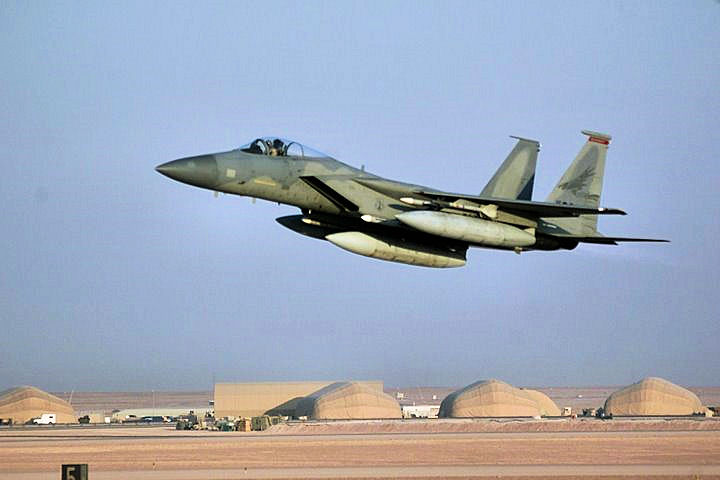
Prince Sultan Air Base serves as a major U.S.–Saudi joint military air hub, supporting fighter squadrons, surveillance platforms, and missile defense systems.
Role in the Operation
This base supports:
- Tactical fighter operations
- Regional air defense coordination
- Command infrastructure for coalition forces
Impact During the Conflict
During Iran’s retaliatory attacks:
- The base was identified as a potential missile target.
- Saudi Arabia increased air defense readiness across multiple regions.
- Military operations continued under heightened security conditions.
Prince Sultan Air Base remains a key pillar of U.S. military presence in Saudi Arabia.
5. Erbil International Airport
Location: Iraq (Kurdistan Region)
ICAO: ORER
IATA: EBL

Erbil International Airport is a dual-use airport, serving both civilian passengers and coalition military forces stationed in northern Iraq.
Role in the Operation
The airport supports:
- Coalition military presence
- Logistics and troop transport
- Civilian regional flights
Impact During the Conflict
During the early stages of the escalation:
- Dozens of missiles and drones were launched toward the area.
- Air defense systems intercepted most incoming threats.
- Civilian flights were temporarily suspended due to security risks.
This event highlighted the vulnerability of dual-use airports that combine civilian and military operations.
Civil Aviation Impact
In addition to military bases, several major commercial airports experienced disruptions.
| Airport | ICAO | IATA | Country |
|---|---|---|---|
| Hamad International Airport | OTHH | DOH | Qatar |
| Dubai International Airport | OMDB | DXB | UAE |
| Zayed International Airport | OMAA | AUH | UAE |
| Erbil International Airport | ORER | EBL | Iraq |
Consequences included:
- Airspace closures across parts of the Gulf
- Flight cancellations and route diversions
- Increased airline fuel costs due to longer flight paths
- Heightened aviation security measures
Global airlines had to reroute flights around conflict zones, affecting long-haul routes between Europe, Asia, and the Middle East.
Why Airports Are Strategic Targets
Modern military operations rely heavily on aviation infrastructure.
Airports and air bases provide:
- Rapid deployment of military aircraft
- Logistics and supply chains
- Drone and reconnaissance operations
- Command and control networks
For this reason, disabling or threatening these facilities can significantly disrupt military operations and regional mobility.
Conclusion
The 2026 escalation between the United States and Iran demonstrated how critical aviation infrastructure has become in modern conflicts.
Key observations include:
- Multiple U.S. military air bases in the Gulf were targeted during retaliatory strikes.
- Nearby civilian airports experienced disruptions and temporary closures.
- Dual-use airports such as Erbil International Airport remain particularly vulnerable.
For aviation analysts and travelers alike, the events highlight the growing intersection between geopolitics, military strategy, and global air transportation.